"We know how much these women have trained, sacrificed, and prepared for this moment," Siana Austin Hunt of the O'ahu Hawaiian Canoe Racing Association said in a release regarding the race's cancellation, adding, "but the safety and well-being of our people and communities must come first."
"We are not simply providing aid," Nadine Ortega of the grassroots group Tagnawa Hawai'i told CG about supporting survivors of gender-based violence in the wake of hurricanes and floods. "We are supporting women's agency, autonomy, and ability to rebuild their lives on their own terms."
CG spoke with advocates in Washington State and Hawai'i about the impacts of fires and floods on DV survivors and what's needed to stand up for them — from personalized solutions to direct cash assistance and the integration of violence prevention into emergency response that could become U.S. law.
"We know how much these women have trained, sacrificed, and prepared for this moment," Siana Austin Hunt of the O'ahu Hawaiian Canoe Racing Association said in a release regarding the race's cancellation, adding, "but the safety and well-being of our people and communities must come first."
Renowned women's canoe race canceled as Hawai'i faces third hurricane
Organizers of a nearly 50-year-old canoe race off the coast of Hawai'i have canceled the event because of concerns over Hurricane Nolo.
Established in 1979, the annual Nā Wāhine O Ke Kai competition typically involves teams of women from multiple countries racing outrigger canoes — slim watercraft that include lateral floats.
The O'ahu Hawaiian Canoe Racing Association, or OHCRA, announced earlier this week that the event, designed to stretch 41 miles (nearly 66 kilometers) across the Pacific Ocean from the island of Moloka'i to the island of O'ahu, would not take place as scheduled for Sunday.
"We know how much these women have trained, sacrificed, and prepared for this moment," OHCRA President Siana Austin Hunt said in a press release. She added, "Canceling this world
championship race is heartbreaking, but the safety and well-being of our people and communities must come first."
The Big Island is under a hurricane watch as of Friday, with rainfall rates threatening another round of destructive flooding in a state still recovering from two recent back-to-back storms.
This year's super El Niño weather pattern has been boosting the Pacific hurricane season, an amplification that reporting from outlets like CNN emphasizes comes in addition to the "already warmer-than-normal oceans as the planet heats up from fossil fuel pollution."
This cancellation of the Nā Wāhine O Ke Kai race marks only the third in the prestigious event's history, according to Hawai'i Public Radio.
Residents in range of flooded South Sudan oil wells report disease and birth defects
Tens of thousands of people in South Sudan's Unity State, displaced by war and prolonged flooding, have been pushed to resettle in wetlands where oil wells are submerged and water is contaminated, posing health risks.
DW previously reported that floods in 2021 waterlogged oil infrastructure and wastewater systems. In the intervening years, floodwaters have persisted, while the country's economy has continued to rely heavily on its oil exports.
Last month, New Lines Magazine provided an update on the situation in Unity State, where residents and health workers have continued to report a range of health concerns, including adverse pregnancy outcomes, birth defects, developmental and neurological problems, infectious disease, and malnutrition.
According to New Lines, a recent study of area rivers found lead levels nearly twice the threshold set by the World Health Organization and hydrocarbon concentrations more than five times recommended limits.
Women may face particularly high exposure to contaminants as they wade into the wetlands to collect water for drinking, cooking, and washing and as they harvest water lilies and other foods.
From California legislation to calls from Nepal, environmental reparations are getting real
For years, predominantly Black communities surrounding Los Angeles'Inglewood Oil Field have lived alongside oil wells and the pollution they produce. Now, as reported by Capital B News, California lawmakers have advanced legislation that would provide direct payments to households experiencing qualifying respiratory or reproductive health impacts. The funding would come from $5 million in oil well penalties paid into the state's community reinvestment account.
The proposal comes amid growing evidence linking exposure to oil and gas extraction with adverse pregnancy outcomes. A recent assessment found that people living downwind of the Inglewood Oil Field had a higher likelihood of preterm birth, with the association particularly pronounced among those living within half a mile.
The legislation reflects a broader public health and environmental justice concern: Black and Brown communities have borne a disproportionate share of the environmental and health costs of urban oil drilling.
The California bill cleared the State Legislature in late August and is awaiting Gov. Gavin Newsom's signature. Supporters see the legislation as a potential model for environmental reparations that could be replicated elsewhere.
In Nepal, climate justice activists are calling for reparations too: "It’s high time we shift from the language of foreign aid to the language of climate compensation and even reparations," activist Tashi Lhazom recently told the New York Times in the wake of the climate-change-exacerbated flooding that devastated the low-carbon-footprint country last month. "This is not a crime that we in Nepal committed, but we are the ones who are suffering."
Officials investigate reports of human trafficking from Nepal to India in wake of flooding disaster
Nepal's Ministry of Women, Children, Gender and Sexual Minorities, and Social Security is coordinating with multiple agencies to investigate whether women and girls have been trafficked across the border into India following last month's catastrophic floods.
Rising Nepal Daily reported on Sept. 21 that the ministry has been looking into allegations that Nepali women and girls had been taken across the border by "intermediaries using false promises and various inducements" and "bypassing legal and administrative mechanisms," with victims "subsequently subjected to various forms of exploitation."
Last week, CG outlined how the same ministry had issued a warning not to move children separated from their families by the floods without official approvals. This week, it has announced a long-term care plan for children who have lost their parents.
Punjab to integrate gender-based violence prevention and sexual and reproductive health care into disaster preparedness
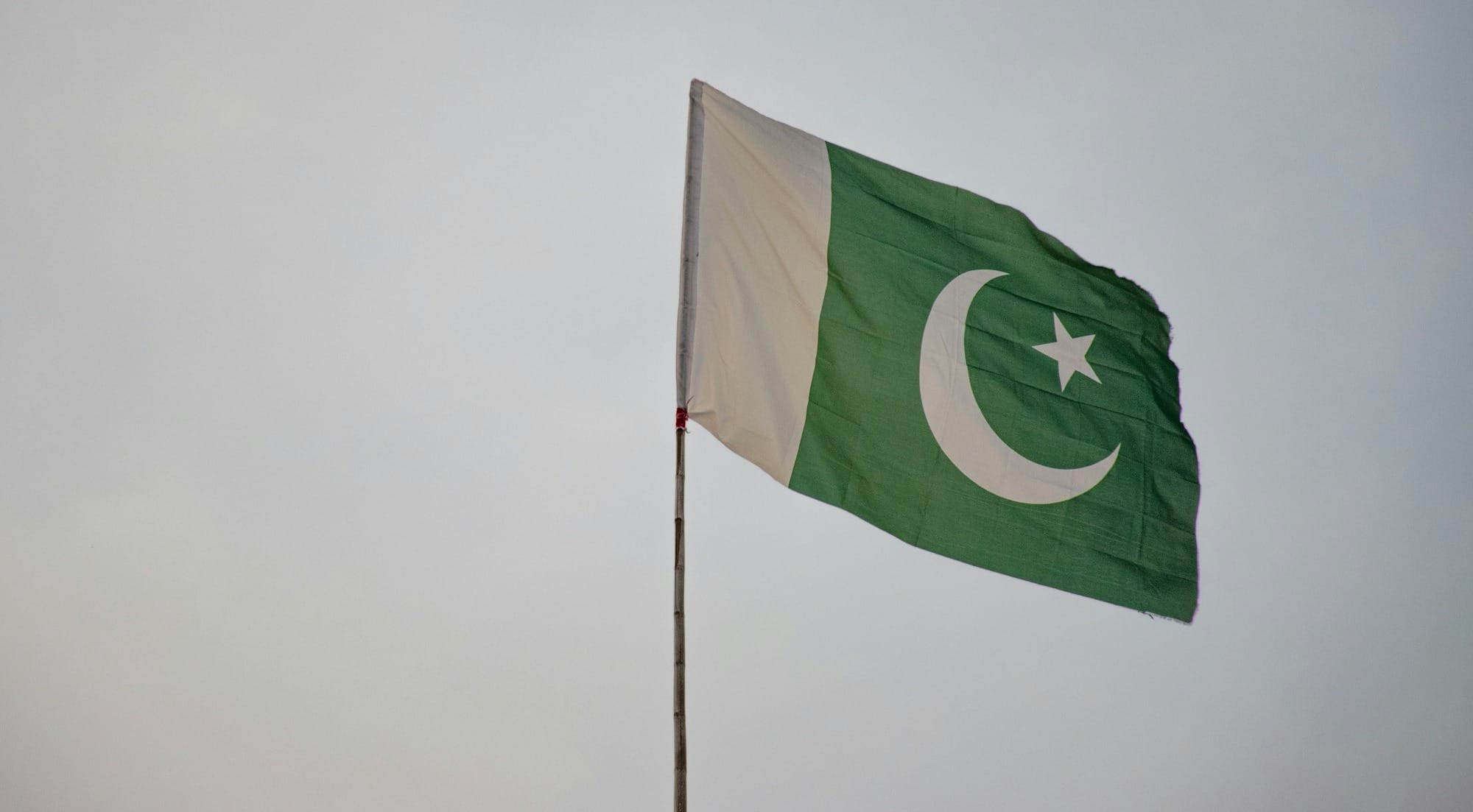
Officials in Punjab, a province of Pakistan, announced this week that the Provincial Disaster Management Authority — or PDMA — would move to integrate gendered health and safety needs into emergency preparedness plans.
According to The News Pakistan, the announcement follows an event during which the U.N. Population Fund — or UNFPA — and the Sustainable Development Policy Institute shared research on "the vulnerabilities of women and girls during climate-related disasters."
The event included a presentation of a U.N. study that identified "institutional ambiguity over [gender-based violence, or GBV] responsibilities," such that national and provincial disaster management officials may believe integration efforts would require their direct efforts rather than their coordination with other agencies and institutions.
Since the event, the PDMA has initiated collaborations with UNFPA and the provincial Health Department, according to The News. The PDMA reportedly aims to incorporate GBV prevention and response and sexual and reproductive health needs into its next flood mitigation plan.
Anti-abortion group files intent to sue U.S. FDA, citing Endangered Species Act in mifepristone challenge
On Thursday, the anti-abortion group Students for Life of America said it had filed its notice of intent to sue the U.S. Food and Drug Administration, citing the Endangered Species Act in another of its legal challenges to the medication mifepristone.
For years, the group — also known as SFLA — has been working to leverage environmental laws to restrict abortion access nationwide, most recently lobbying the Environmental Protection Agency to treat drugs like mifepristone as water contaminants, despite an absence of scientific evidence that they have any meaningful environmental impact.
Drugs like mifepristone can be used to end a pregnancy as well as manage a range of health needs.
The Hill reported that SFLA contends the FDA "has not acted to address harm from mifepristone to more than 1,500 protected species" across the country. According to the news outlet, filing the notice of intent to sue "gives the FDA 60 days to take specific actions requested by [SFLA] before the group considers suing."
"Lionesses" help win major lawsuit to secure air conditioning for people incarcerated in Texas
A group of formerly incarcerated women has just helped win a lawsuit against the Texas Department of Criminal Justice that is set to mandate air conditioning in all of the state's prisons by 2029.
The Lioness Justice Impacted Women's Alliance spoke with The 19th this week about their years-long effort. Together with two other plaintiffs, the group filed its suit against the department in 2024. At the time, the Daily Texan reported that 70% of prison beds across the state did not have air conditioning.
On Tuesday, U.S. District Judge Robert Pitman ruled that the lack of air conditioning violates Eighth Amendment protection against cruel and unusual punishment.
"In a state where outdoor heat indexes exceed 130 degrees [Fahrenheit], inmates in Texas prisons are suffering — and in some cases dying — in extreme heat every summer," Pitman wrote in his order. "Nearly 90,000 inmates were without air conditioning this past summer."
Marci Marie Simmons, director of communications at Lioness, told The 19th she and her team have been celebrating the ruling this week after years of work to secure safer conditions for the people they have been striving to protect. They have also been "preparing because we know that this is just one step in the fight,” she said.
Lioness serves around 20,000 women and transgender people incarcerated in Texas, according to The 19th, which noted that the majority of incarcerated women have chronic health conditions and many take medications that can complicate heat stress. Menstruating, pregnant, perimenopausal, and menopausal people may also experience unique strain under high temperatures.
To date, only a third of the state's carceral facilities have air conditioning, according to the Texas Tribune, which reported that the Texas Department of Criminal Justice estimates a cost of around $1.5 billion for the full air-conditioning buildout. The department has said it plans to appeal Pitman's ruling.
Arizona couple arrested after allegedly punishing child in extreme heat
A husband and wife in Arizona were arrested last week for child abuse after forcing a 9-year-old girl to sit outside on a balcony in extreme heat.
The child was allegedly being punished for the way she was "holding a book," according to an affidavit obtained by Law & Crime, which detailed that the child sat in 104-degree (Fahrenheit) weather for at least four hours before she climbed to escape to a neighbor's home.
Following the child's hospitalization, authorities discovered evidence of what they believe to be further abuse.
Union calls for safety measures after death of Charlotte airport worker amid high temperatures
The Service Employees International Union 32BJ held a vigil in North Carolina on Thursday for Colleen Coates, who died last week while working at Charlotte Douglas International Airport.
Public radio station WFAE reported that Coates, 55, collapsed on a jet bridge while waiting to clean an American Airlines plane.
"The jet bridge was really, really hot," union organizer Seneca Davis told WFAE. "She couldn’t stand the heat, and she passed out."
Medics were unable to resuscitate Coates, who Davis said used an inhaler and took blood pressure medication. Coates had also recently been hospitalized, Chris Baumann of the SEIU told the Charlotte Observer, but was working "because she needed to pay her bills."
Extreme heat can pose severe threats for young children, older adults, pregnant people, those who experience chronic health concerns, and outdoor workers whose economic security can be tied to unsafe conditions.
Friends, colleagues, and union members want improved transparency from employers and protections for workers at the airport, "including the right to call out when they're sick," according to WFAE.
"Our trash truck doesn’t even have air conditioning," Coates' coworker LaShonda Barber told the radio station.
Barber told the Observer that her friend "should never have had to choose between her health and her job."
U.N. Women calls for representation of women in AI as researchers note risks to inequality, health, environment
As the 81st session of the U.N. General Assembly continues to highlight the boom in artificial intelligence — or AI — along with its potential benefits and risks, U.N. Women called for better representation of women in leadership and jobs related to the expansion of the technology.
"The future of AI cannot be built by half the world's talent. As artificial intelligence reshapes economies, societies, and daily life, women's equal participation is crucial to its design, governance, and regulation," Sarah Hendriks of U.N. Women said in a press release.
The agency said its latest Gender Snapshot report found that only 22% of AI professionals are women, while women account for only 14% of senior leadership roles in the industry. It also noted that many women lack access to the tech and announced the launch of a Digital, Innovation, and AI Hub "dedicated exclusively to gender equality" on Friday.
The Oxford researchers have noted that a rejection of AI over such concerns could end up holding workers back from career opportunities. But many consider the main AI-workforce concern to be the mass layoffs already taking place — even as global research firms like Gartner project that a significant number of laid-off workers will need to be rehired in the coming years.
"We have to think now about how to reduce job losses so that everyone can share in the prosperity that AI creates," tech billionaire and philanthropist Bill Gates wrote in an essay last month calling for better planning, regulation, and oversight to "ensure that the good outweighs the bad."
AI may be used to optimize clean energy infrastructure as well as diagnose and treat deadly diseases. But its expansion also poses social, economic, environmental, and health risks.
"If women are excluded, the inequalities of today risk becoming embedded in the systems of tomorrow," Hendriks said in the U.N. Women press release, pointing to the potential for marginalized voices to help improve AI and mitigate its negative impacts.
The sentiment aligns with work from researchers Pavithra Priyadarshini Selvakumar and Marco Tedesco, whose essay published by Columbia Climate School last February asked, "How can AI address climate justice when women's voices are silenced?"
In one example, the co-authors wrote, "The continued placement and expansion of AI data centers in [the U.S. South] may deepen existing reproductive health inequities rather than alleviate them via economic growth — unless community-driven environmental and reproductive justice safeguards are meaningfully integrated into siting, regulation, and oversight processes."
Trump signs deal with Greenland, with no territory turned over — Tillie Martinussen says people "will never forget he threatened us"
Last week, U.S. President Donald Trump announced that he had reached a deal with Greenland and with Denmark, which "oversees the semi-autonomous island," according to CBS News.
Trump began floating the idea of buying Greenland as early as 2019, when CNN reported that "Greenlandic and Danish authorities ... insisted the island was not for sale."
The security agreement signed on Tuesday seems not to transfer any of Greenland's territory to the U.S. According to the New York Times, no one involved "wanted to emphasize that point, for fear that Mr. Trump might renounce the agreement."
U.S. News and World Report described the deal as containing changes to an earlier 1951 defense agreement, including provisions for expanded U.S. military presence and a "Golden Dome" missile defense system. As detailed by the Atlantic Council, the deal also includes provisions in case Greenland chooses to become an independent country and U.S. sign-off on the presence of non-NATO countries as well as on investments in areas such as mining.
Tillie Martinussen, a former member of Greenland's parliament, told the CBC this week that Greenland doesn't trust Trump but it does trust its own prime minister and the Danish prime minister. She said Greenlanders hope the new deal "will make [Trump] leave us alone," adding, "we will never forget that he threatened us." She underscored the potential for continued "widespread concern" over Greenland's rare earth minerals.
In January, Martinussen told CG that she feared a U.S. takeover of her predominantly Indigenous territory could threaten its environment, resources, and equal rights.
"Paid maternity leave, gone. Free abortion, gone. Free birth control, medicine, etc., gone," Martinussen said, pointing to concerns that a takeover by the U.S. could bring its politics and legal frameworks to the Arctic island.
One goal at Climate, Gendered is to bring a spotlight to the reality that proliferating pollution, increasing temperatures, rising seas, extreme weather, habitat loss, and more can uniquely and disproportionately impact girls, women, and LGBTQ+ communities — especially individuals from communities of color, Indigenous people, disabled people, immigrants and displaced people, people experiencing poverty, and residents of low- and middle-income countries. We're also interested in the climate and environment crises and concerns that can disproportionately affect boys and men.
But there's a whole lot going on around the world, and this weekly brief isn't intended to be exhaustive but rather your chance to spend just a few moments on a handful of items — including the ideas that might make a difference.
This work cannot be done alone or in silos. We appreciate your feedback and observations. And please feel encouraged to share one way you noticed this week that climate and gender connect — and share CG with a friend.
"We are not simply providing aid," Nadine Ortega of the grassroots group Tagnawa Hawai'i told CG about supporting survivors of gender-based violence in the wake of hurricanes and floods. "We are supporting women's agency, autonomy, and ability to rebuild their lives on their own terms."
"Early hospital admission, close monitoring, timely access to blood when required, and appropriate fluid and supportive management are crucial to reducing dengue-related deaths among women," Dr. H.M. Nazmul Ahsan told The Daily Star.
"What will we do with pads if we don't have underwear?" Yogita Tamang asked AFP regarding a lack of period supplies in Nepal's relief camps. The U.N. has warned that risks of gender-based violence, sexual exploitation, and unmet reproductive health care needs have risen following last week's floods.
Have you heard of "clean air clubs"? Grassroots organizers are sharing this guide so communities can start their own and neighbors can help keep each other safe amid wildfires and pollution.