"We are not simply providing aid," Nadine Ortega of the grassroots group Tagnawa Hawai'i told CG about supporting survivors of gender-based violence in the wake of hurricanes and floods. "We are supporting women's agency, autonomy, and ability to rebuild their lives on their own terms."
CG spoke with advocates in Washington State and Hawai'i about the unique impacts of wildfires and floods on DV survivors and what's needed to stand up for them — from personalized solutions to direct cash assistance and the integration of violence prevention into every layer of emergency response.
"Early hospital admission, close monitoring, timely access to blood when required, and appropriate fluid and supportive management are crucial to reducing dengue-related deaths among women," Dr. H.M. Nazmul Ahsan told The Daily Star.
DV survivors navigate disaster, EPA may test for mife, bats & infertility, post-flood risks, Linda Lindas, hair relaxers, student nurses, NIH sued
"We are not simply providing aid," Nadine Ortega of the grassroots group Tagnawa Hawai'i told CG about supporting survivors of gender-based violence in the wake of hurricanes and floods. "We are supporting women's agency, autonomy, and ability to rebuild their lives on their own terms."
★In the Spotlight★ Those fleeing domestic violence, or DV, and the people who support them may be among the groups best positioned to expose both the fragility of our public systems to climate disasters and the dedication to resilience that it takes to help keep each other safe. CG spoke with advocates in Washington State and Hawai'i about the unique impacts of wildfires and floods on DV survivors and what's needed to stand up for them — from personalized solutions to direct cash assistance and the integration of violence prevention into every layer of emergency response.
Domestic violence survivor networks are working to keep people safe from fires, floods, and abuse by "supporting women's … ability to rebuild their lives on their own terms"
In August alone, gender-based violence — or GBV — prevention and recovery groups across the U.S. grappled with wildfires and floods that strained their ability to provide care, as both staff and survivors coped with crumbling infrastructure and mass evacuations.
Just last week, Hawai'i was rocked by Hurricane Lowell, which toppled trees, tore up roadways, and knocked out power while disrupting harbor activity and tourism. But first came Hurricane Lala, which, back in mid-August, destroyed roads, washed away homes, ripped off roofs, and left families without electricity and water.
Earlier that same month, tens of thousands of people were evacuated in the Spokane, Washington, area amid historic wildfires and smoke that hung in the air. The Associated Press reported on August 6 that around 800 buildings had been destroyed and nearly 67,000 people had been displaced.
"Survivors and their children have had to sleep outside or in tents, and at times there hasn't been enough drinking water," Elizabeth Montoya told CG about impacts in the Spokane area, which, like Hawai'i, includes a significant Indigenous population.
Montoya, the Communications Coordinator at the Washington State Coalition Against Domestic Violence & Sexual Assault, continued, "People are dealing with the trauma of violence at the same time they're experiencing the trauma of a disaster. In one instance, a survivor was assaulted by her partner on the side of the road after being displaced."
CG spoke with advocates in the Pacific Northwest and on the Pacific archipelago about the unique impacts of wildfires and floods on GBV survivors and what's needed to stand up for them — from personalized solutions to direct cash assistance and the integration of violence prevention into every layer of emergency response. Read more...
U.S. EPA announces a study on drinking water that could test for abortion pills, contraception, hormone medicines
The U.S. Environmental Protection Agency announced last week that it is launching a study of the nation's drinking water supply that will test for more than 1,000 potential pharmaceutical and chemical contaminants. According to Politico, that list is set to include, "for the first time," the abortion medications mifepristone and misoprostol.
An apparent description of the study shows a list of 1,400 chemicals in a "custom chemical screening library," which also includes contraceptives and hormone medicines. Meanwhile, details about the sampling — what it might ultimately test for, when it would start, who would conduct it — have not been officially confirmed.
What do nursing students know about how climate change may impact reproductive health?
A new study of 182 nursing students in Bhubaneswar, India, found that fewer than half — 48.4% — had what the co-authors called "good knowledge" of climate change and its impact on reproductive health. Students who had prior knowledge — particularly through teachers, social media, and the internet — tended to have higher knowledge of the interdisciplinary topic.
While the study's single-college sample and reliance on self-assessed knowledge limit the generalizability of the findings, the results — published this month in Cureus — underscore the importance of integrating climate-health topics into nursing education to better prepare future medical professionals to manage the reproductive health of patients in a warming world.
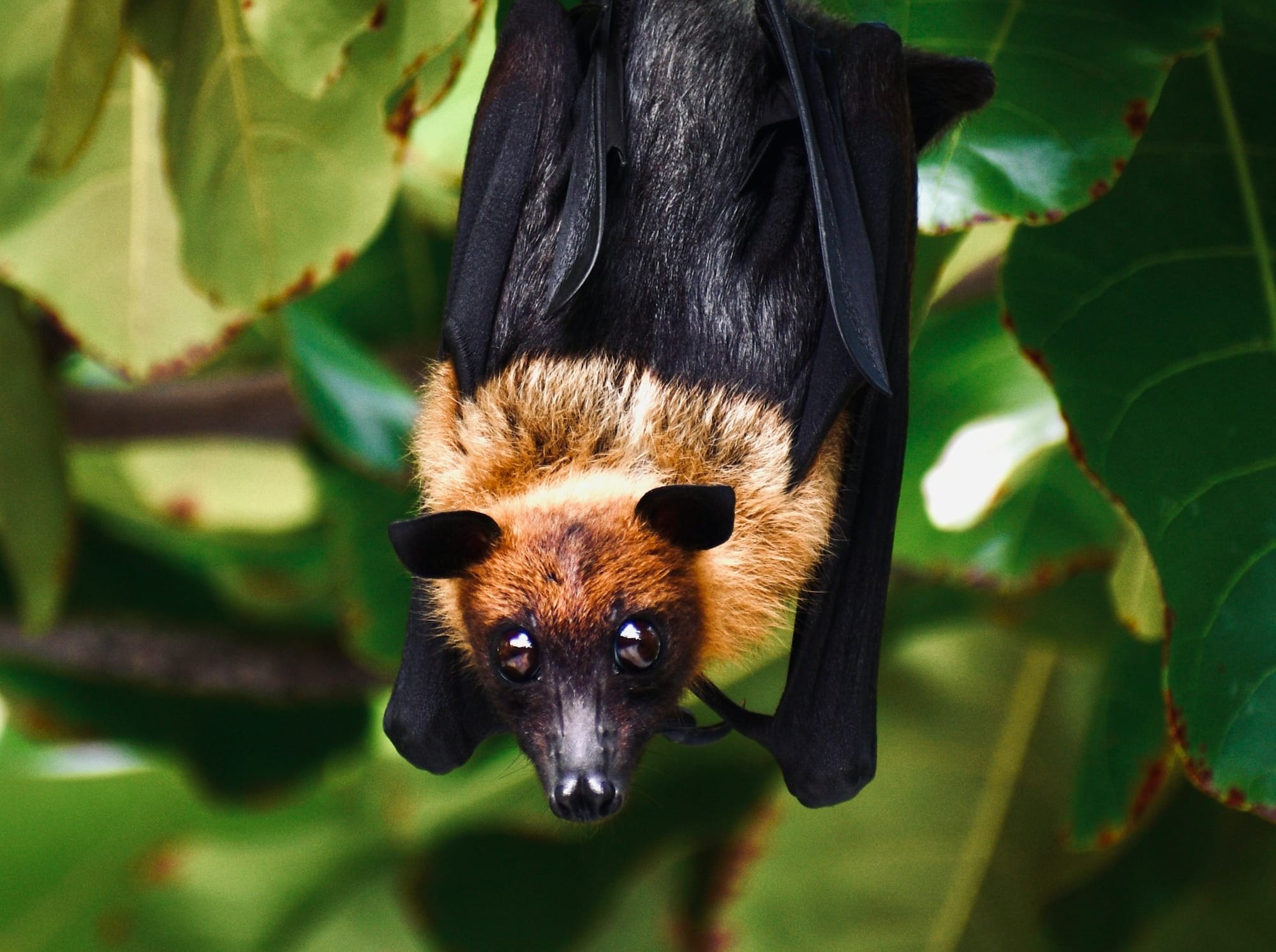
Using bats to treat infertility, ailments could raise risks of zoonotic disease spread
As recently reported by The Xylom, continued use of fruit bats as a food source and in traditional medicine in Nigeria may raise the risk of zoonotic disease spread in the country.
Charred and ground into a paste, some traditional healers recommend consumption of bats to treat infertility as well as a range of ailments. However, bats can serve as hosts for viruses that may spread to humans. At the same time, hunting the animal can threaten biodiversity and agricultural production. The mammals disperse seeds, pollinate plants, and eat insects, including mosquitoes that can spread malaria.
According to a 2022 systematic review of the medicinal uses of bats, hunting the animals is one of the biggest hurdles to their conservation. "By pinpointing the ailments bats are being used for, outreach and alternative treatments can be introduced to replace the use of bat," the co-authors wrote.
While not yet signed into law, the Nigerian Senate passed stronger measures against wildlife trafficking in 2024, according to The Xylom. Stronger laws combined with awareness and access to alternatives — with a focus on supporting local herbalist economies — may help to protect bat numbers and human health.
Nepal minister highlights heightened child trafficking risks following flood disaster, warns against relocating children without approvals
Government officials in Nepal are warning of heightened risks of child abuse following the floods that devastated the region in late August.
According to Online Khabar, Sita Badi — the country's Minister for Women, Children, Gender and Sexual Minorities, and Social Security — issued the warning last week at a meeting of the House of Representatives' Women and Social Affairs Committee. Badi specifically called on individuals and agencies not to relocate children separated from their families following the flood without the proper coordination and approvals.
"Taking children from one place to another under the pretext of enrolling them in school or arranging other support carries a risk of trafficking," said Badi, who also noted that more than 100 children without guardians at the time were staying in hold centers while efforts continued to reunite them with family.
Online Khabar reported that the minister highlighted the use of border checkpoints and social media monitoring to protect children who are especially vulnerable in this post-disaster period. According to the outlet, she also told the committee that she had "convened a meeting of the 'Protection Cluster' to activate mechanisms for child protection, response to gender-based violence, and psychosocial support" in the wake of the disaster.
To a catchy tune, The Linda Lindas ask: "How much will your money mean? / When you got no air to breathe?"
A young American punk band celebrated for its intersectional feminism is using song to draw attention to the crossing of a critical climate threshold.
Last week, The Linda Lindas shared a short video online in which members Eloise Wong, sisters Lucia and Mila de la Garza, and Bela Salazar can be seen singing and dancing to the high-energy track "Nothing Left," from their new album Gotta Get Out.
The video also shows headlines reporting the early-September announcement from the U.N. Environment Program that the world is set to fall short of restraining global warming to 1.5 degrees Celsius above preindustrial times. Meanwhile, the band sings "All you tech and oil men / Profit at our lives' expense / How much will your money mean? / When you got no air to breathe?"
Other lyrics from the song include "Aren't you tired of the heat waves? / Cars melting on the freeway / Can you feel it, can you feel it? / Burning down the street." The band also repeatedly asks listeners to "Wake up before it gets ya."
The Linda Lindas launched their Gotta Get Out tour across North America this week, just days after the U.S. Environmental Protection Agency, under the second Trump administration, announced the agency "will no longer limit the planet-warming pollution that power plants pump into the air while burning coal and gas," according to the New York Times.
It's the same week in which the World Meteorological Organization reported that fossil fuel pollution has thrown the water cycle off track and during which human safety concerns over energy- and water-intensive artificial intelligence technology seemed to surge to an all-time high.
Arizona sues cosmetics brand L'Oréal, alleging company hid cancer risks linked to hair relaxers
Arizona has sued L'Oréal, alleging the company concealed evidence that use of its hair relaxer products may raise cancer risks. The plaintiffs also argues that the company did not adequately inform consumers, who are predominantly Black women.
As reported by Reuters, Arizona Attorney General Kristin Mayes filed the suit in state court on Sept. 10.
A press release from Mayes' office said the relaxers "contain categories of chemicals that are toxic, or that lead to the formation of toxic compounds," including "endocrine disrupting chemicals ('EDCs'), phthalates, parabens, and other chemicals classified by federal and international agencies as known or probable human carcinogens." According to the release, use of the products has been linked to higher risks of developing uterine, ovarian, thyroid, and pancreatic cancers.
The legal action follows a 2022 study that found those who used chemical hair relaxers more than a few times a year were more than twice as likely to develop uterine cancer, although the study did not establish a causal relationship.
L'Oréal says its products are safety-tested and the claims lack legal as well as scientific merit, according to Reuters. The company also faces more than 12,000 similar lawsuits brought by individuals, consolidated in a federal multidistrict litigation case.
Group of researchers sues NIH over screening of grants for terms like "climate change" and "gender identity"
On Wednesday, 17 scientists filed a class-action lawsuit in U.S. District Court against the National Institutes of Health for allegedly screening research grants to identify and interfere with those that may conflict ideologically with stances of the Trump administration.
According to Reuters, the plaintiffs, backed by groups like the American Civil Liberties Union, argue that the agency has "unconstitutionally [screened]" the grants that had already passed scientific review for "topics like diversity, gender identity, and climate change" by referencing a list of more than 230 keywords.
The NIH, a leading funder of biomedical research, reportedly will not comment on ongoing litigation. But Reuters outlined that the suit suggests "researchers who refuse to scrub flagged terms risk losing funding."
One goal at Climate, Gendered is to bring a spotlight to the reality that proliferating pollution, increasing temperatures, rising seas, extreme weather, habitat loss, and more can uniquely and disproportionately impact girls, women, and LGBTQ+ communities — especially individuals from communities of color, Indigenous people, disabled people, immigrants and displaced people, people experiencing poverty, and residents of low- and middle-income countries. We're also interested in the climate and environment crises and concerns that can disproportionately affect boys and men.
But there's a whole lot going on around the world, and this weekly brief isn't intended to be exhaustive but rather your chance to spend just a few moments on a handful of items — including the ideas that might make a difference.
This work cannot be done alone or in silos. We appreciate your feedback and observations. And please feel encouraged to share one way you noticed this week that climate and gender connect — and share CG with a friend.
"Early hospital admission, close monitoring, timely access to blood when required, and appropriate fluid and supportive management are crucial to reducing dengue-related deaths among women," Dr. H.M. Nazmul Ahsan told The Daily Star.
"What will we do with pads if we don't have underwear?" Yogita Tamang asked AFP regarding a lack of period supplies in Nepal's relief camps. The U.N. has warned that risks of gender-based violence, sexual exploitation, and unmet reproductive health care needs have risen following last week's floods.
Have you heard of "clean air clubs"? Grassroots organizers are sharing this guide so communities can start their own and neighbors can help keep each other safe amid wildfires and pollution.
Hundreds of thousands of residents have been impacted by rotating 48-hour shutoffs, with some having waited hours in line to fill up on water amid severe drought conditions affecting large swaths of the U.S. territory.