"In Zimbabwe, contraceptive pills were being sold by staff to buy food during the drought. In drought-affected communities, 54% of girls and young women had seen more unintended pregnancy, against 29% elsewhere," Reena Ghelani, CEO of Plan International, told CG.
A new report points to floods, droughts, storms, and extreme heat as risk factors for gender-based violence, child marriage, and unintended pregnancy among girls and young women in low- and middle-income countries. Plan Intnl. CEO Reena Ghelani has a message for those in high-income countries too.
"The goal is for the [seed savers] to have good forage for their cattle but also earn income from selling the forage and native seeds," Nai-nancy Laizer of Savannas Forever Tanzania told CG. "So it addresses the effects of climate but also generates income to these communities."
Threatened telehealth is a climate issue, girl students win petition for air coolers, blood filtering therapy could treat preeclampsia
"There is nothing safe about forcing patients to drive through winter storms or snowy mountain passes to pick up a pill that's just as safe for them to get in the mail and that, either way, they'll take at home," Jenna Hudson, Senior Counsel at the Center for Reproductive Rights, told CG.
There's a whole lot going on around the world: This weekly brief from Climate, Gendered isn't intended to be exhaustive but rather your chance to spend just a few moments on a handful of items with the potential to disproportionately impact over half the global population — plus, the ideas that might make a difference.
Wyden yet to hear back from EPA regarding agency's recommendation to monitor some contraceptives and abortion medications in water supplies
Last week, CG covered U.S. Senator Ron Wyden's letter to Lee Zeldin, Administrator of the Environmental Protection Agency, pressing the agency to "[detail] the scientific, peer-reviewed justification for including contraceptives and abortion medications" on a list of Food and Drug Administration-approved pharmaceuticals that it suggests local governments should monitor in water supplies.
Wyden noted in the letter that he expected to hear back from Zeldin by May 5. This week, a spokesperson for the lawmaker's office told CG in response to a query via email, "We have not received a response to the letter" as of May 7.
CARE Afghanistan sheds light on improving structural integrity in the face of floods and house collapses: 'Simple but effective techniques'
Last week, CG covered roof collapses in Afghanistan that followed heavy rainfall and resulted in the deaths of women, whose movements in the country are often limited to domestic spaces. CG followed up with Mohammad Akmal Shareef, Country Director for CARE Afghanistan, for more on the subject.
"In recent years, CARE has supported earthquake-affected communities by constructing disaster-resilient shelters, including 180 units in Paktika and 400 in Herat," Shareef said. "Building on this experience, CARE is currently constructing an additional 205 disaster-resilient shelters in Nangarhar." The region has been significantly impacted by floods in recent weeks and months.
In a brief describing the organization's approach to strengthening the integrity of structures amid major floods and its centering of women and girls in emergency response, CARE noted a three-pronged approach that includes constructing disaster-resilient shelters and implementing watershed management as well as building protective flood walls and stabilizing riverbanks. Read more …
The legal threat to telehealth abortion care is also a climate issue
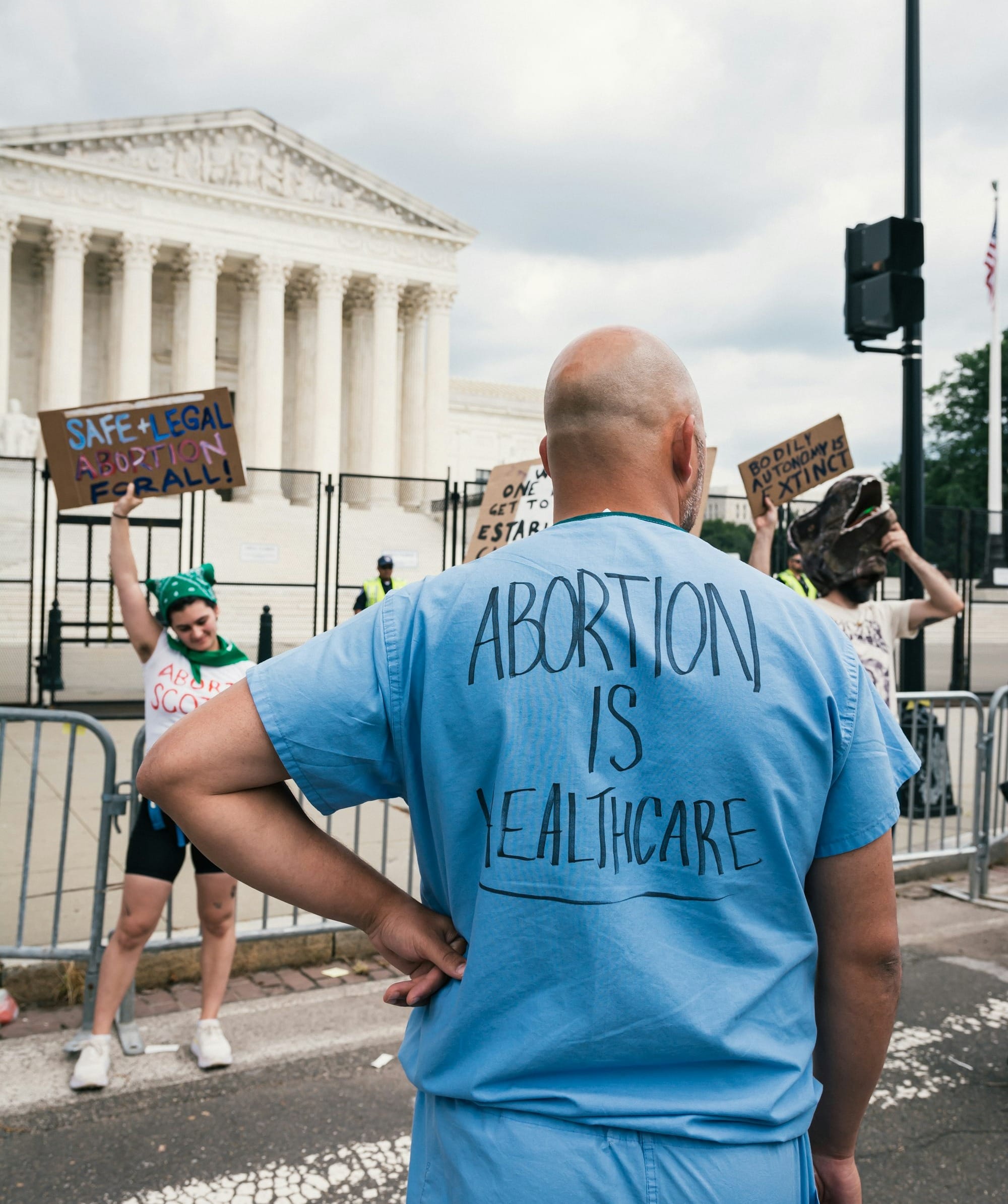
Legal threats to the provision of mifepristone via telemedicine, mail delivery, and pharmacy dispensing have the potential to greatly reduce access to abortion for many communities in the U.S. by requiring in-person care at clinics and medical offices. Those facing the potential for road closures and power outages as hurricane and wildfire seasons close in this summer could have an even harder time obtaining abortion care if remote access options are restricted by the courts.
Delays brought on by extreme weather events "can push people further into pregnancy, narrowing or eliminating the window in which medication abortion is available and increasing the cost and complexity of care," Serra Sippel of The Brigid Alliance, which provides logistical and practical support to people seeking abortions, told CG. In some cases, the option of prescribing abortion medications in a virtual appointment and mailing the medications directly to patients can help to address these delays.
This week, CG heard from spokespeople at three different reproductive rights organizations about why telehealth access is a climate issue, how advocates are working to maintain access, and what could come next. Read more …
Official orders 600 air coolers after students staying in government housing for girls and women petition state amid extreme heat
Girls and women in India have demanded access to cooler accommodations amid sweltering temperatures and policy oversights. After female students petitioned officials to improve conditions in the government housing where they were staying while taking exams, Maharashtra Chief Minister Devendra Fadnavis ordered 600 evaporative air coolers, according to the Times of India. Read more …
New blood filtering therapy could help to treat preeclampsia, a potentially deadly pregnancy complication
Historically, the "cure" for the serious pregnancy complication of preterm preeclampsia has generally been considered to be delivery of the baby and placenta. Medications and monitoring may also help to reduce risks and manage cases. But soon, there may be another option.
In a small pilot study of 16 pregnant people diagnosed with preterm preeclampsia, Cedars-Sinai researchers found that removing the sFlt-1 protein from the subjects' blood before retransfusion could help lower maternal blood pressure, according to a news release. This, in turn, could help reduce the risk of fatality for the pregnant person, thereby enabling the pregnancy to continue for a period instead of forcing an earlier delivery.
Preeclampsia — which is characterized by sometimes dangerously high blood pressure, high levels of protein in the urine, and signs of organ damage — can lead to maternal and fetal death. While the condition is still being investigated, the Preeclampsia Foundation has highlighted placental development issues and systemic inflammatory response as possible underlying causes, with genetic, physical, social, and environmental risk factors potentially contributing. For example, some research has linked air pollution exposure to preeclampsia. Read more …
One goal at Climate, Gendered is to bring a spotlight to the reality that proliferating pollution, increasing temperatures, rising seas, extreme weather, habitat loss, and more can uniquely and disproportionately impact girls, women, trans communities, and nonbinary people — especially those from communities of color, Indigenous people, disabled people, immigrants and displaced people, people experiencing poverty, and residents of low- and middle-income countries. We're also interested in the climate crises and concerns that can disproportionately affect men and boys.
This work cannot be done alone or in silos. We appreciate your feedback and observations. And please feel encouraged to share one way you noticed this week that climate and gender connect — and share CG with a friend.
"In Zimbabwe, contraceptive pills were being sold by staff to buy food during the drought. In drought-affected communities, 54% of girls and young women had seen more unintended pregnancy, against 29% elsewhere," Reena Ghelani, CEO of Plan International, told CG.
"The goal is for the [seed savers] to have good forage for their cattle but also earn income from selling the forage and native seeds," Nai-nancy Laizer of Savannas Forever Tanzania told CG. "So it addresses the effects of climate but also generates income to these communities."
"We know how much these women have trained, sacrificed, and prepared for this moment," Siana Austin Hunt of the O'ahu Hawaiian Canoe Racing Association said in a release regarding the race's cancellation, adding, "but the safety and well-being of our people and communities must come first."
"We are not simply providing aid," Nadine Ortega of the grassroots group Tagnawa Hawai'i told CG about supporting survivors of gender-based violence in the wake of hurricanes and floods. "We are supporting women's agency, autonomy, and ability to rebuild their lives on their own terms."