"We're concerned about what these effects might mean for contraceptive users exposed to ambient heat for many hours at a time, day after day, with little ability to adapt or recover … which is an unfortunate reality for many women living and working in [LMICs]," researcher Cara Schulte told CG.
"We're concerned about what these effects might mean for contraceptive users exposed to ambient heat for many hours at a time, day after day, with little ability to adapt or recover … which is an unfortunate reality for many women living and working in [LMICs]," researcher Cara Schulte told CG.
"In Zimbabwe, contraceptive pills were being sold by staff to buy food during the drought. In drought-affected communities, 54% of girls and young women had seen more unintended pregnancy, against 29% elsewhere," Reena Ghelani, CEO of Plan International, told CG.
"Being a female photographer … gets me into more places": How one photojournalist documented community dangers of black carbon and oil pollution in Nigeria
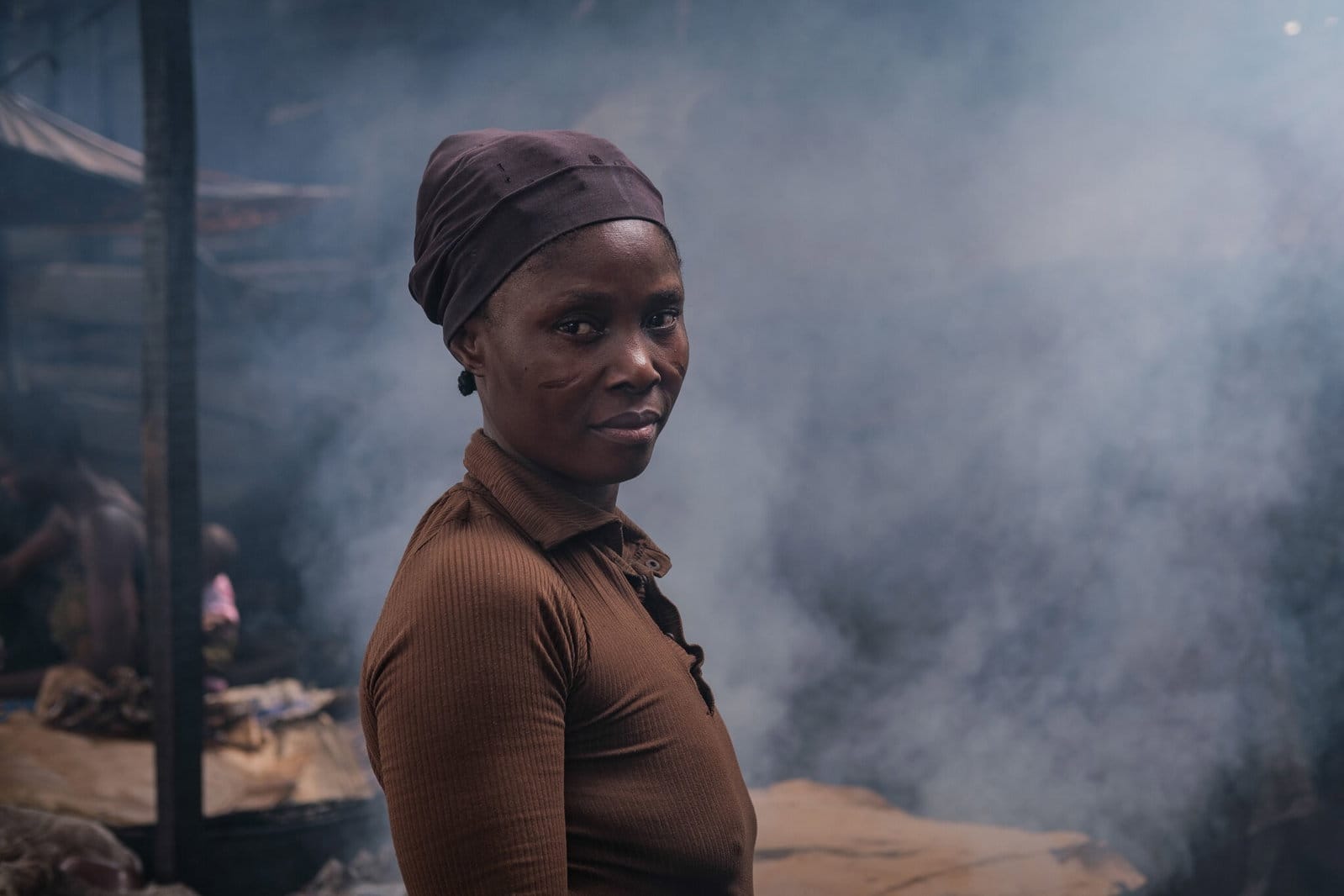
"Everywhere is blacked out," photographer Taiwo Aina-Adeokun told CG via Zoom about the smoky conditions she observed in kitchen settings — spaces to which her identity as a female photojournalist helped gain her access, she said. "At the fish smoking area, her eyes were always watery."
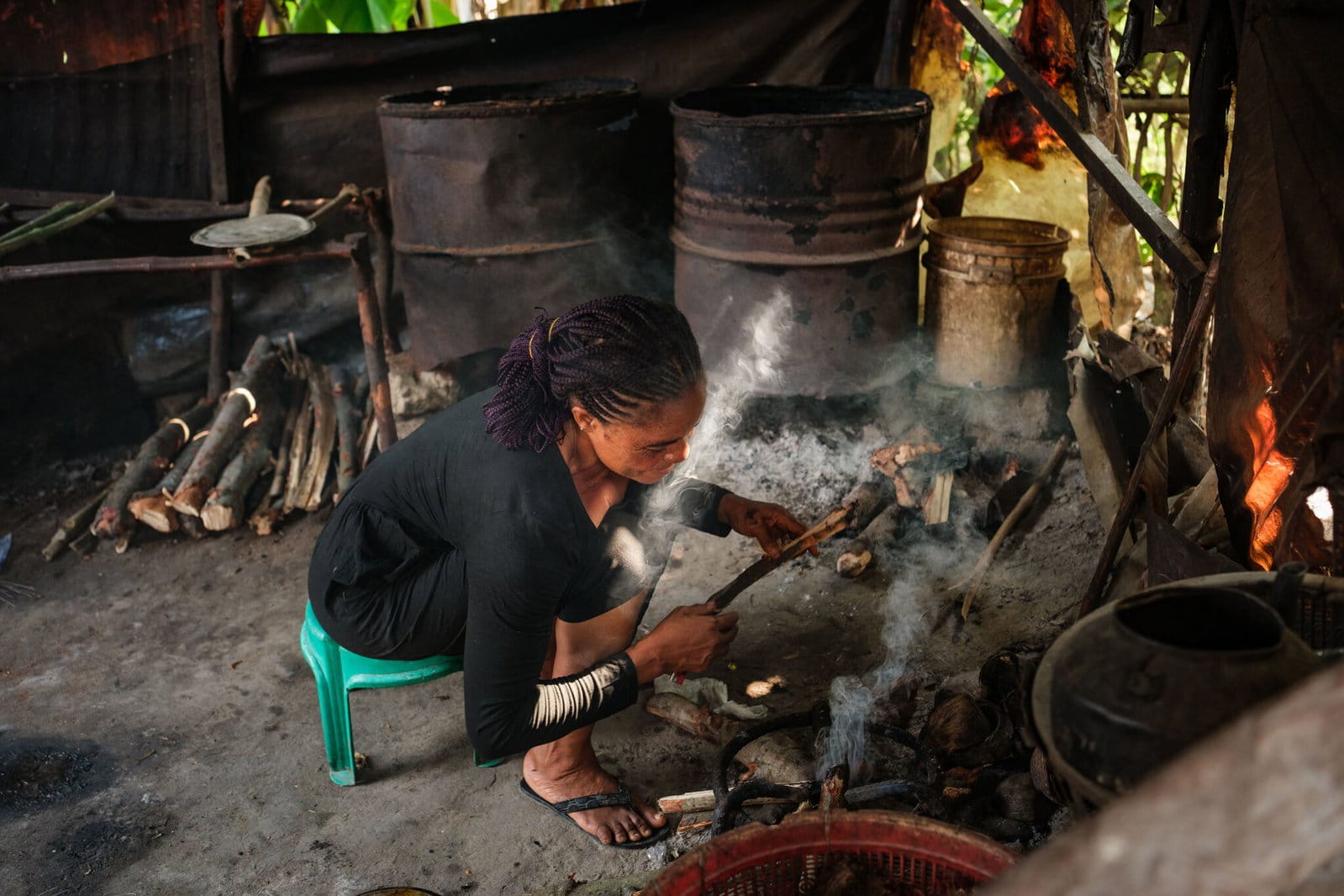
In one of the photos from a new collection documenting the impacts of crude oil and black carbon pollution — or soot — in Nigerian communities, viewers can see 40-year-old Anthonia Akonasu perched over the fish she is smoking to sell in the Makoko settlement in Lagos. The photo's caption says that smoking fish has been Akonasu's main source of income for nearly 15 years.
That duration points to how long the Akonasu, who is married to a fisherman and has six children, may have been exposed to soot-laden air and surfaces.
"Everywhere is blacked out," photographer Taiwo Aina-Adeokun told CG via Zoom about the smoky conditions she observed in kitchen settings — spaces to which her identity as a female photojournalist helped gain her access, she said. "At the fish smoking area, her eyes were always watery."
In 2025 and 2026, Aina-Adeokun documented the effects of crude oil and black carbon pollution across Lagos and Rivers States. Akonasu's story is one of many examples documented by the photographer.
Less-polluting alternatives to wood-burning stoves — such as those that run on gas, electricity, or solar energy — do exist, but they can be prohibitively costly to operate. Aina-Adeokun noted that she saw one such appliance but said, "It's more expensive to run that, so it was just, like, useless and just put at one corner."
She also told CG that cooking over wood or charcoal fire can play into the flavors of the regional dishes.
In addition to smoking fish, the photographer observed black carbon pollution from roasting plantains, smoking cow skins, and processing palm oil, a process that typically leverages both firewood and diesel generators. But soot from food preparation is just one of the sources of pollution to which families like Akonasu's are exposed.
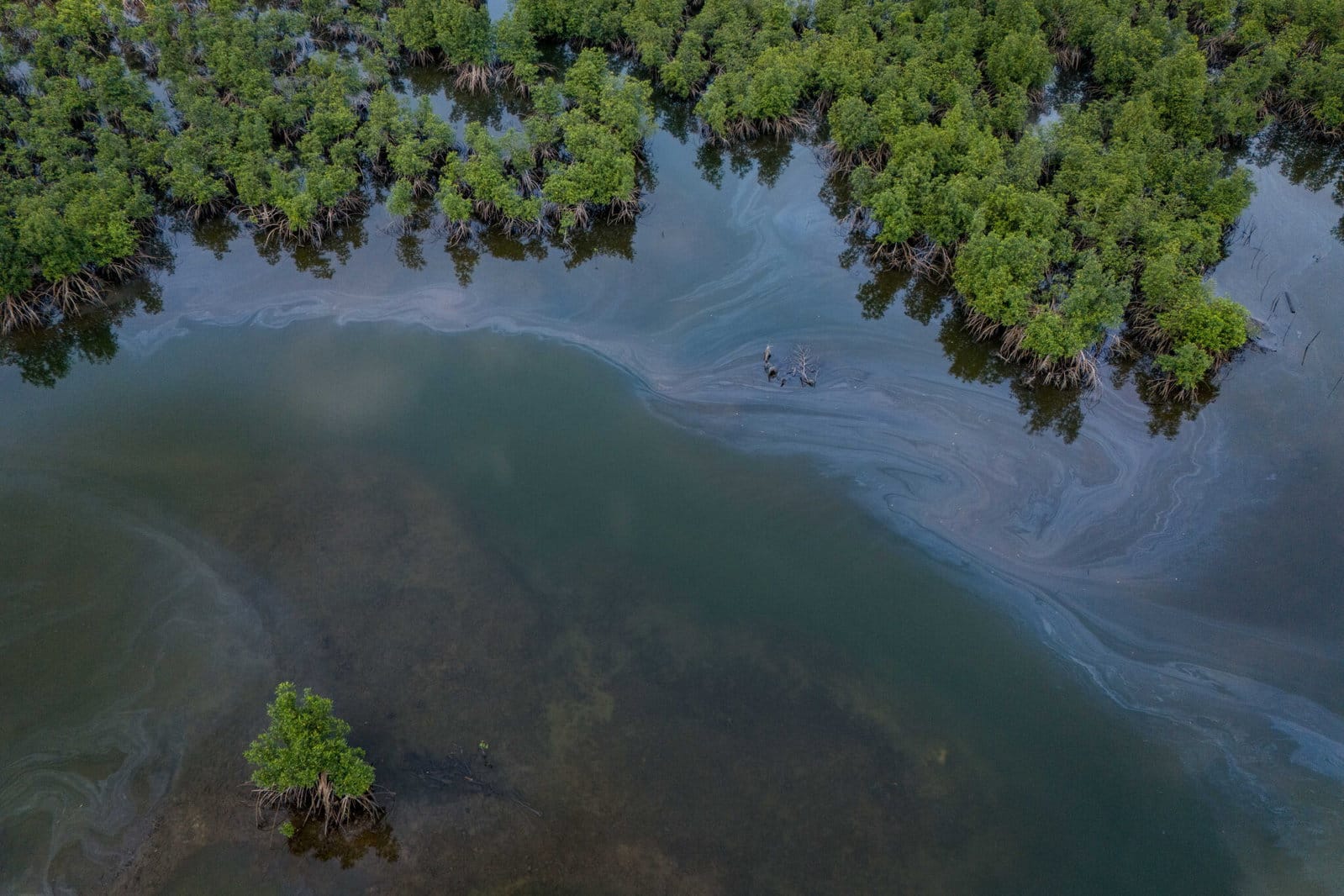
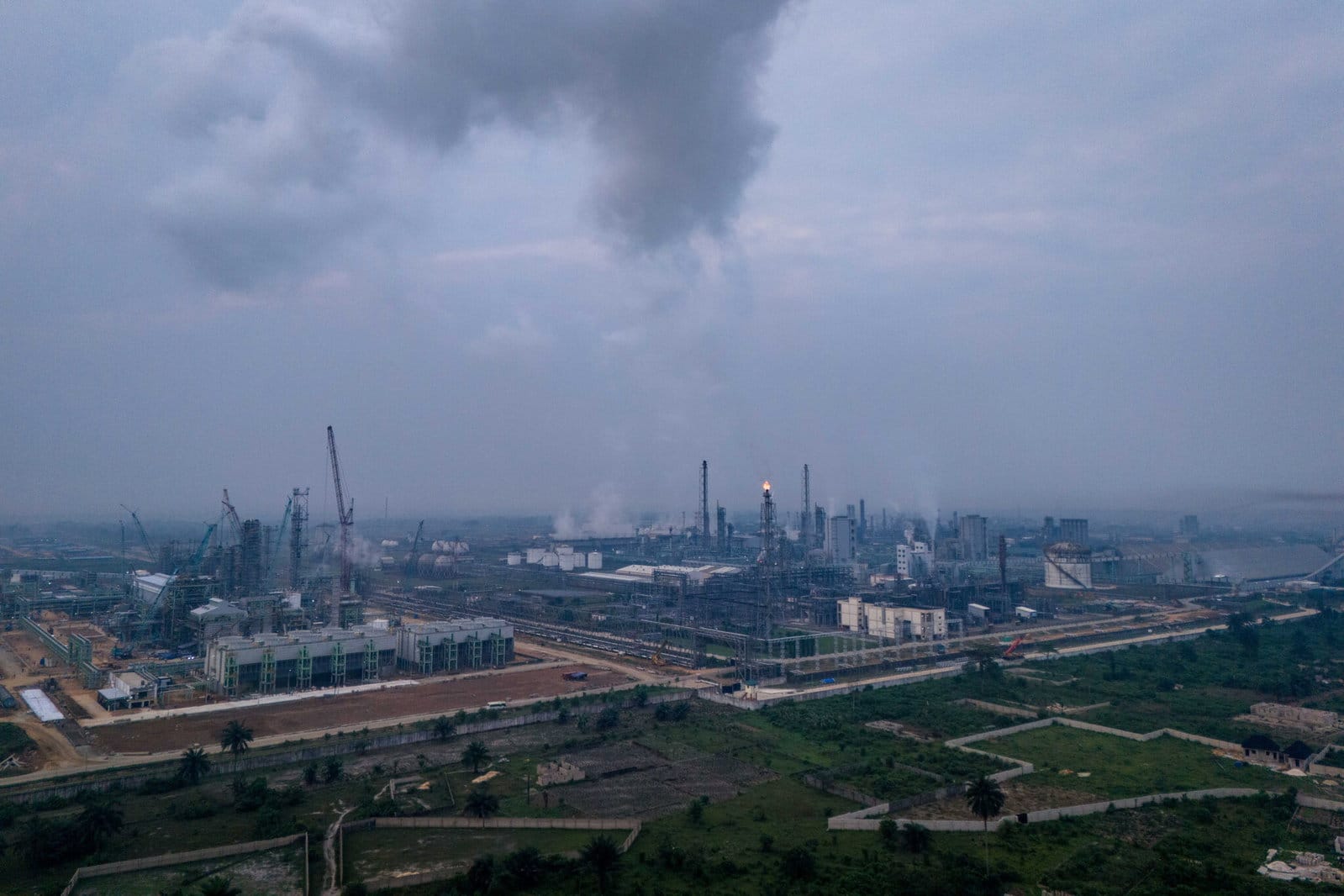
In Rivers State, Aina-Adeokun documented the impacts of crude oil extraction and burning, from oil mixed into watery habitats to soot layered on surfaces. The captions of some of these photos, as collected and described by Climate Visuals, say that "illegal and legal refineries have burned petroleum products, contributing to widespread black carbon pollution across the state."
According to the International Energy Agency, Nigeria is "the largest economy and the richest oil resource center of the African continent" and "remains the largest gas consumer and producer of West Africa." Meanwhile, experts have noted that expanding the country's renewable energy infrastructure is increasingly important for economic, environmental, and health reasons.
Black carbon and crude oil pollution threaten ecosystems — including those central to livelihoods reliant on fishing and agriculture. They also both play roles in climate change and extreme weather events.
Black carbon, a part of particulate matter air pollution, is understood to affect everything from rising temperatures to cloud formation, shifts in precipitation, and the melting of snow and ice. But, as air pollution expert Ram Lal Verma of Clean Air Fund recently wrote, the "visceral effects [of black carbon] are intense but very short-lived, meaning reducing emissions can deliver rapid climate and health benefits."
Exposure to particulate matter pollution has been linked to numerous health risks, including premature death, cardiovascular concerns, respiratory illnesses, and adverse pregnancy outcomes.
As with many environmental health risks, the effects of soot exposure are disproportionately felt in low-income communities. And some of the impacts may be seen through a gendered lens.
"On a bigger scale, when it comes to a major environmental outbreak, I think it affects everybody generally. But from household to business, it affects the women and girls more," Aina-Adeokun told CG.
Her photographs certainly show men impacted by the pollution — for example, in photos showing the smoking of cow skins. However, women appear to be overrepresented in certain activities, including cooking, which they may be more likely to do in preparing meals for their families and for customers, at home and at work.
Aina-Adeokun underscored that many residents appear not to use or have access to much in the way of protection from the soot.
"No face masks, nothing. It feels like they are used to it," she said.
But she also suggested that the photographs she took on her most recent trips don't necessarily reflect the worst pollution residents have been subjected to.
"If you go to Port Harcourt, like, 10 years ago, all of the areas were covered with soot. Like, when you go out in the morning and come back, you will see your car covered in soot. You will see your roof covered in soot when you dry your clothes out."
Port Harcourt, in Rivers State, is the site of an Indorama Eleme Petrochemicals Limited refinery.
According to Climate Visuals caption, the government has taken steps in recent years that "have reduced soot levels by an estimated 85 percent." Still, the pollution is a problem, and Aina-Adeokun thinks documentary photography can play a part in addressing it.
"The core thing photography does to all, to most stories … is to improve the visibility — to make people see complex issues," she said.
"Without photography, it might be quite boring for people to totally understand what problem is happening in this particular area. So especially in environmental documentary photography, it helps to review the consequences of climate change, deforestation."
She went on to say, "Documentary photography really helps to show, it helps reveal the consequences of climate change on people, on the environment itself" and "[centers] human experiences."
In particular, Climate Visuals seeks to improve access to the types of high-quality, evidence-based, human-centered photography that might help galvanize actions effective in addressing climate change and community impacts. To that end, many of the photos in the group's library are available for free use through Creative Commons licenses to nonprofit, educational, and editorial projects.
Aina-Adeokun believes her identity as a female photographer may help her access women's stories the world needs to see — such as the often-hidden impacts of household and cooking-related air pollution.
"For me, being a female photographer, actually, it plays more benefit for me, gets me into more places that some guys can't get to," she explained.
That's not to ignore the very real gendered vulnerabilities and safety concerns that some photographers may face in certain settings — but it does highlight the need for women documentarians to help visibilize more stories.
"When I'm working on a story in Northern Nigeria, men cannot approach another man's wife. So a female needs to speak to the wife. … As a female documentary photographer, that barrier is not there for me."
Meanwhile, the barriers that need to be overcome to address black carbon and crude oil pollution in the region and beyond might include a lack of access to protective measures such as safe face masks, clean cookstoves that meet users' real needs and preferences, affordable clean energy sources, and meaningful policies to safeguard habitats and human health.
And, Aina-Adeokun says, "We still need a lot of female storytellers telling the stories."
"We're concerned about what these effects might mean for contraceptive users exposed to ambient heat for many hours at a time, day after day, with little ability to adapt or recover … which is an unfortunate reality for many women living and working in [LMICs]," researcher Cara Schulte told CG.
A new report points to floods, droughts, storms, and extreme heat as risk factors for gender-based violence, child marriage, and unintended pregnancy among girls and young women in low- and middle-income countries. Plan Intnl. CEO Reena Ghelani has a message for those in high-income countries too.
"The goal is for the [seed savers] to have good forage for their cattle but also earn income from selling the forage and native seeds," Nai-nancy Laizer of Savannas Forever Tanzania told CG. "So it addresses the effects of climate but also generates income to these communities."
CG spoke with advocates in Washington State and Hawai'i about the impacts of fires and floods on DV survivors and what's needed to stand up for them — from personalized solutions to direct cash assistance and the integration of violence prevention into emergency response that could become U.S. law.