Olubusayo Ruth Akinola — Head of the Social Welfare, Drug Control, and Crime Prevention Division of the Union — exchanged emails with CG following the release of a new report from the African Union.
"We did not directly address this through these separate papers," study lead author David Luglio told CG, "but it is also important to understand if and how these wildfire and heat effects on autism development combine, especially given that they will likely co-occur in the future."
ProPublica said in late February that the agency shared it "has stopped distributing" gear containing per- and polyfluoroalkyl substances following the outlet's early-February reporting that the agency knew for years its pants contained potentially harmful "forever chemicals."
Why some men minimize climate concern, paternal microplastics exposure, improving heat warnings for pregnant people with this metric
"Using the Earth's resources to power tools that facilitate violence against women is a clear case of environmental and social injustice," Brionté McCorkle, executive director of Georgia Conservation Voters, told CG.
There's a whole lot going on around the world: This weekly brief from Climate, Gendered isn't intended to be exhaustive but rather your chance to spend just a few moments on a handful of items with the potential to disproportionately impact over half the global population — plus, the ideas that might make a difference.
Grok being used to "undress" women and minors is also polluting the planet — countries and communities are fighting back
Theartificial intelligence chatbot Grok has been leveraged to remove clothing from and otherwise alter photos, with users then sharing the digitally manipulated images on social media. Grok is built into the Elon Musk-owned platform X, formerly known as Twitter, where numerous sexualized images of women and children have reportedly been created and circulated without their consent.
The Guardian reported that the AI chatbot has been used to generate images of women and children "stripped down to their underwear" and to suggest the appearance of bodily fluids "smeared on their faces and chests." The trend of technology-facilitated gender-based violence, while not new, is now even more visibly a global one, with victims speaking out from Brazil to the United Kingdom.
It could easily be seen as a case of sexism and misogyny being exploited for engagement. Meanwhile, AI's energy- and water-intensive operations are driving the very environmental damage and power grid strain that also disproportionately impact marginalized groups.
Some men may minimize climate concern for fear of appearing less masculine — reframing mitigation, adaptation could help
Findings recently published in the Journal of Environmental Psychology indicate that some men perceive concern about climate change as characteristically "warm" and feminine. Worried about appearing less masculine, they may decline to engage with the crisis or take it seriously — at least outwardly, as reported in a self-reported survey.
Conducted by Michael Haselhuhn, an associate professor at the University of California, Riverside, the research spanned four phases. As summarized by PsyPost, "Haselhuhn found that men with high masculinity concerns were generally less concerned about climate change," but that "for men who did not strongly associate warmth with women, the pressure to be masculine did not strongly predict their views on climate change."
While more robust research is needed to round out these findings, it's already worth considering that deconstructing binary stereotypes could improve engagement in climate mitigation and adaptation. PsyPost's summary also suggests that reframing climate action as protective, courageous, and dutiful might also help. It's an effort that groups like the global MenEngage Alliance have already been championing.
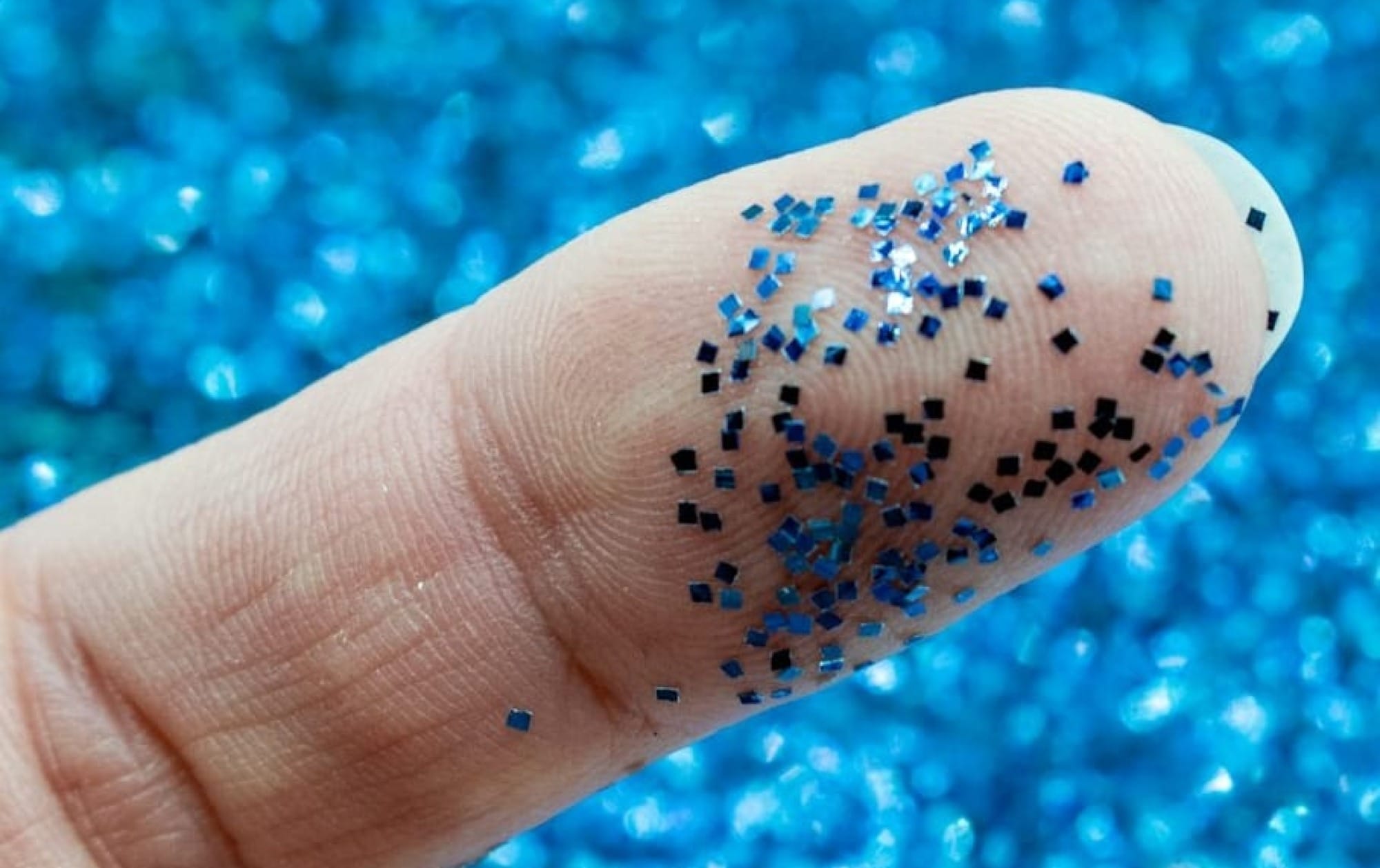
Paternal microplastics exposure linked to offspring's metabolic disorders
A study from biomedical scientists in California, Utah, and Nevada recently found that metabolic dysfunction in mice offspring could be linked to their fathers' exposure to microplastics.
Published last month in the Journal of the Endocrine Society, the research offers new insights into how pollutants may harm future generations' health.
Metabolic dysfunctions — such as increased blood pressure, high blood sugar, and excess body fat — can increase the risk of diabetes and heart disease. "Our future studies will likely look at whether maternal exposure produces similar risks and how these metabolic changes might be mitigated," lead author Changcheng Zhou said in a news release.
The research also helps to ensure that ideas about environmental impacts on reproduction expand to include not only menstruating and birthing people, who have historically been largely blamed for everything from struggles with fertility to child-rearing. While the environmental risk factors for pregnant people should be taken seriously, enriching our knowledge base may correct sexist assumptions, recruit more people to the fight against plastic pollution, and provide additional opportunities for addressing metabolic health concerns.
Tracking this could help mitigate the risks of prenatal exposure to dangerous levels of humidity
A study published in mid-December in the journal Science Advances was conducted by researchers from the University of California, Santa Barbara, to examine the effects of prenatal exposure to extreme heat and humidity, including premature labor and child stunting. Its findings, in the words of lead author Katie McMahon, who gave a statement in a university release, suggest, "Exposure to hot, humid conditions in-utero is dangerous for child health, and more dangerous than just hot temperatures alone."
With results showing that "accounting for humidity quadrupled the effect of extreme heat on child health," according to the release, the co-authors believe this is at least partly because humid conditions make it harder for a person to cool down.
As heat-trapping pollution intensifies heat waves and shifts weather patterns, there is certainly cause for concern. From apartments in Tampa, Florida, in the U.S., to displacement camps in Sokoto, Nigeria, pregnant people are already feeling the effects — and the anxiety. But, per the release, study co-author Chris Funk said, "The picture painted by this research is grim, but it could lead to a lot of potentially positive interventions."
One such intervention? Tracking not only air temperatures but also wet-bulb globe temperature to account for additional factors, including humidity.
Funk is working on early warning systems that can track WBGT. Using AI, his team seeks to improve systems to alert vulnerable communities, such as those living in displacement camps, to take precautions against hot, humid conditions.
One goal at Climate, Gendered is to bring a spotlight to the reality that proliferating pollution, increasing temperatures, rising seas, extreme weather, habitat loss, and more can uniquely and disproportionately impact girls, women, trans communities, and non-binary people — especially those from communities of color, Indigenous people, disabled people, immigrants and displaced people, people experiencing poverty, and residents of low- and middle-income countries. We're also interested in the climate crises and concerns that can disproportionately affect men and boys.
This work cannot be done alone or in silos. We welcome with gratitude your feedback and observations. And please feel encouraged to share one way you noticed this week that climate and gender connect — and share CG with a friend.
"The climate crisis is not gender-neutral, nor is it child-neutral," Olubusayo Ruth Akinola of the African Union told CG in an exchange about a new report and how integrating climate disaster response with child marriage prevention could help end the practice.
"As an African American grandmother and mother, I am appalled that the EPA is abandoning its duty to protect everyone's public health and welfare by revoking the endangerment finding," Almeta Cooper of Moms Clean Air Force told CG.
"Immediate actions must include data collection and support for survivors, which should encompass mental health, medical, and legal services to ensure they receive justice," nonprofit leader Carine Jocelyn told CG about addressing gendered violence at the nexus of armed unrest, poverty, and climate.
"This decision is yet another example of the harmful sentiment that gender or 'social issues' are marginal or distractions," WEDO told CG about reports the treasury didn't contribute to the African Development Fund over climate, gender.